Corporate AI software house
Custom software development, with AI at the core
We build the software your operation needs, from discovery to a system in production on Google Cloud. The code is yours, evolution is continuous and artificial intelligence works inside the system, not bolted on the side.
- years of software engineering on the team
- 20+
- years of software engineering on the team
- of projects running on Google Cloud
- 100%
- of projects running on Google Cloud
- AIs orchestrated with failover (Claude, Gemini, OpenAI)
- 3
- AIs orchestrated with failover (Claude, Gemini, OpenAI)
- cases in production, with real screens
- 5
- cases in production, with real screens
What custom software development is
Custom software development means building a system around the way your company works, instead of bending the company to the way an off-the-shelf tool works. Every screen, rule and integration comes from a real operational problem: the quote that takes three days, the record kept in four spreadsheets, the salesperson who does not know which product to recommend.
In practice, a software development company brings together people who understand business, product, design and engineering to turn that problem into a system that runs every day. The difference between a project that becomes an asset and one that becomes a headache is less about the programming language and more about three choices: understanding the problem before writing code, building on serious infrastructure and continuing to evolve after delivery.
OnWeb is the software house of the Netlinks Group. We build custom systems, apps, websites and platforms with artificial intelligence at the core, and we run them in production together with the client.
Off-the-shelf or custom: when each one makes sense
Not every problem needs its own software. If a SaaS solves 90% of what you need and the process is not a differentiator, subscribing is usually the right call. Custom development starts to pay off when the process is what sets your company apart, when ready-made tools do not talk to each other or when license costs grow faster than the operation.
| Criteria | Off-the-shelf (SaaS) | Custom software |
|---|---|---|
| Process fit | You adapt the operation to the tool | The tool is born from your process |
| Ownership | Monthly license, data stays with the vendor | Code and data belong to your company |
| Integration | Limited to what the vendor offers | Connects ERP, CRM, WhatsApp and anything else |
| AI | The same generic AI every customer gets | AI grounded in your context and data |
| Cost over time | Grows per user, per module and per price hike | Higher upfront, predictable running cost |
| Time to start | Immediate | Weeks to the first version in use |
A hybrid path is common: keep the market ERP and build what is specific around it, such as the client portal, the product configurator or the sales assistant. We say so during discovery when that is the case, because software that did not need to exist is waste too.
What OnWeb builds
Everything we build shares the same technical base and the same ownership logic. Only the shape of the product changes:
Management systems and panels
back offices, lightweight ERPs, admin panels and custom CRMs designed around your team's routine.
Platforms and SaaS
multi-company products with plans, permissions and billing, like Crownler.
Websites and portals
corporate websites, technical catalogs and corporate portals with their own panel.
Apps
web and mobile apps for customers, field teams and partners.
AI agents and chatbots
AI agents and AI chatbots that read documents, query systems and get work done.
Integrations and automation
systems integration and process automation that remove repetitive work from people.
Why AI sits at the core of the software
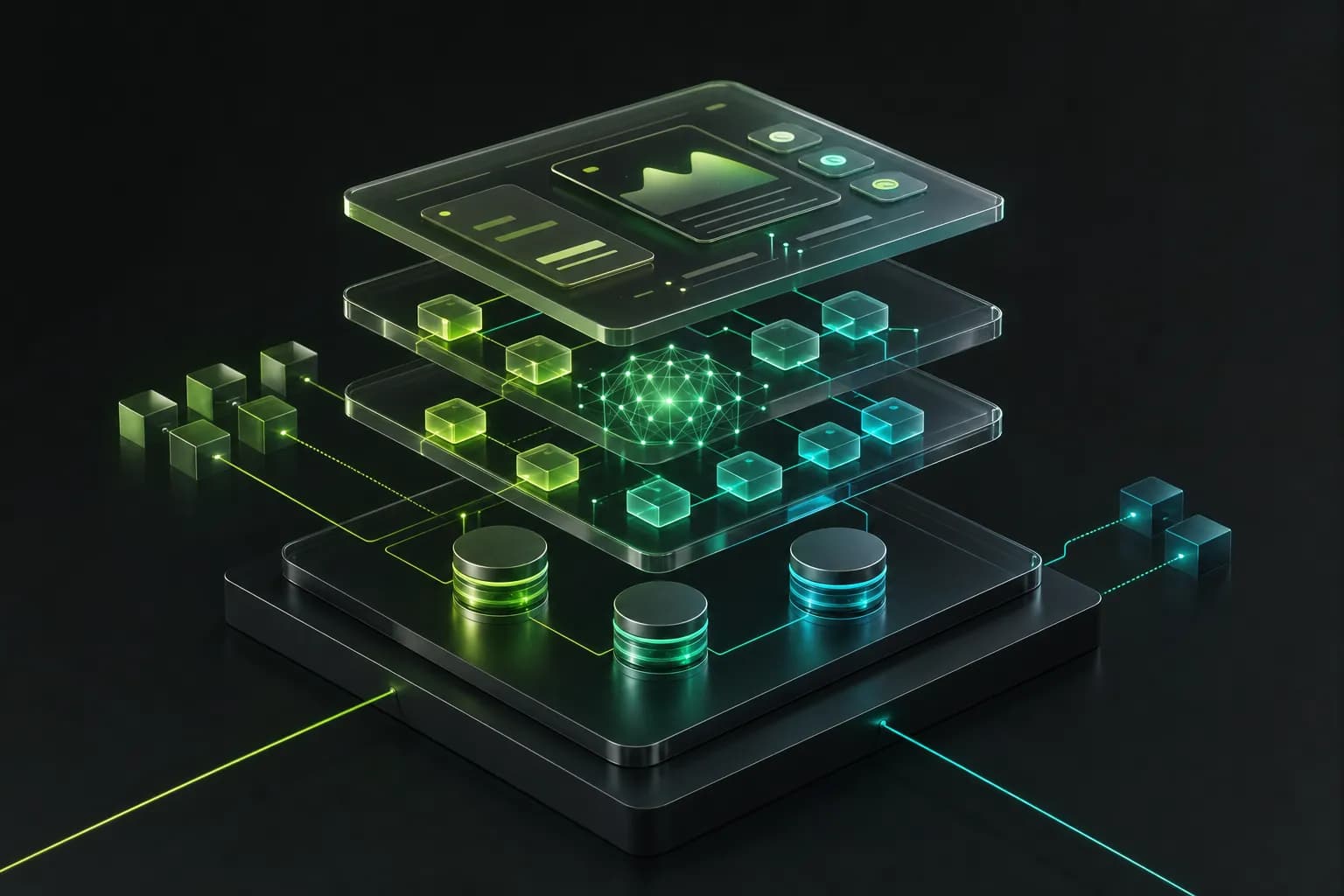
Most of the market still treats artificial intelligence as a chat window stuck in the corner of the screen. We build it the other way around: AI is a layer of the system, with controlled access to data and business rules, which is why it can do real work.
At Luz no Bolso, AI reads a photo of the electricity bill, understands consumption and compares local energy companies inside the conversation. At Safetline, the assistant receives the live catalog on every question and recommends the right boot for each job, without making up products. At App Netlinks, AI produces content, monitors how the brand appears in ChatGPT and Gemini and builds reports on its own.
Behind that there is engineering that does not show up in a demo: orchestration of more than one model (Claude, Gemini and OpenAI) with automatic failover when a provider goes down, cost control per call, logging of every conversation and rules that stop the AI from saying what it should not. That is the difference between a proof of concept and a system that survives daily use.
The technology we choose and why
The stack is the same across projects, which makes maintenance cheaper and quality predictable:
- Google Cloud: Cloud Run, Cloud SQL, Cloud Storage, Vertex AI and Identity Platform. It scales on its own, charges by usage and has enterprise-grade security. See Google Cloud consulting.
- Next.js and TypeScript: the same base for website, panel and API, with typing that catches errors before users do.
- PostgreSQL: a robust relational database with versioned migrations and automatic backups.
- Multiple AIs: the right model for each task, with failover between providers.
- Code in the company's GitHub: the repository can be in the client's name, with the history of every change.
No proprietary platform locking you into OnWeb. If another team ever takes over, they find a market-standard, documented stack with history.
How much custom software development costs
Price depends on three factors: the size of the problem (how many screens, roles and rules), the number of integrations with other systems and how much artificial intelligence goes into the flow. An MVP focused on one process usually ships in a few weeks; a multi-module platform is built in phases, each already in use.
We work with fixed scope per phase, so you know the investment before starting, and with monthly evolution after launch. Google Cloud infrastructure costs are low for most operations and visible from month one. For an estimate for your case, tell us what you need.
How to choose a software development company
Before signing with any vendor, us included, ask five questions:
- Can I see your systems in production: a slide deck proves nothing. Ask for real screens and, if possible, a system running with real users.
- Who owns the code: the software must belong to your company, with access to the repository and the data.
- Where will it run: serious cloud infrastructure, with backups, monitoring and predictable cost.
- What happens after delivery: software that stands still ages. Ask how evolution and support work.
- How is AI used: if the answer is just "there is a chat", the project will probably deliver less than it promises.
What you get
Documented discovery
process map, prioritized problems and the proposed solution before the first line of code.
Product design
flows and screens validated with real users, with UX/UI designed for daily use.
Software in production
a live system on Google Cloud with domain, security, backups and monitoring.
A panel for your team
what the business needs to change, it changes in the panel, without calling a developer.
Your code and data
repository, database and cloud accounts organized to be in the company's name.
Monthly evolution
continuous improvements, new modules and support from the people who built it.
How we work
- 01
Discovery
conversations with the people who run the process, a review of current systems and the problem worth solving first.
- 02
Solution design
architecture, key screens, integrations and the role of AI, with scope and investment per phase.
- 03
Short build cycles
weekly deliveries to a staging environment, so the team tests while the system is born.
- 04
Launch
data migration, redirects when there is an old site, training and an assisted go-live.
- 05
Operation and evolution
we stay: monitoring, fixing, improving and building the next modules at the business's pace.
Built by OnWeb
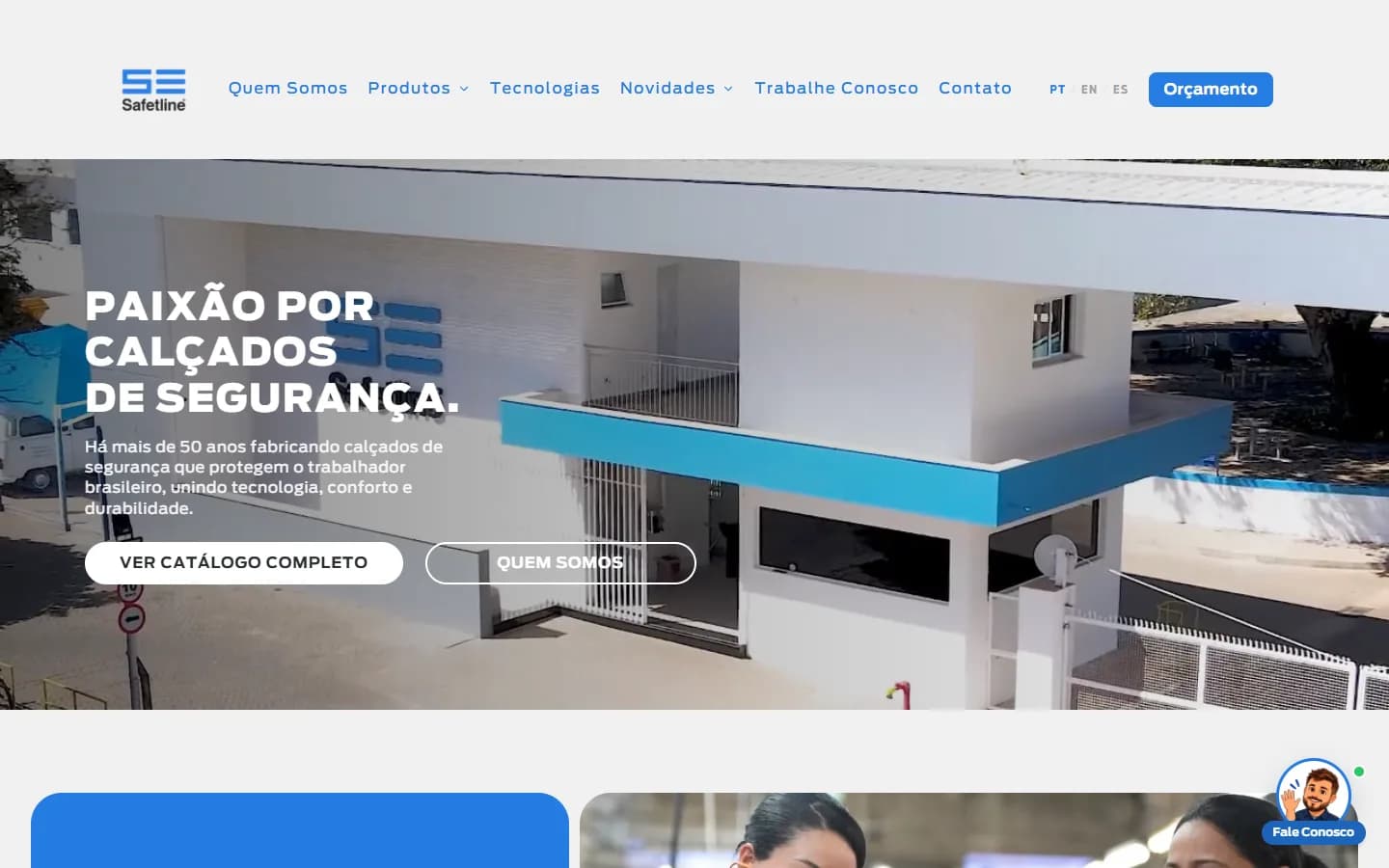
Manufacturing · Safety footwear
Safetline
A three-language website with its own management panel, an AI assistant that recommends products, 3D models generated from photos and 627 legacy URLs migrated without losing Google.
Read the case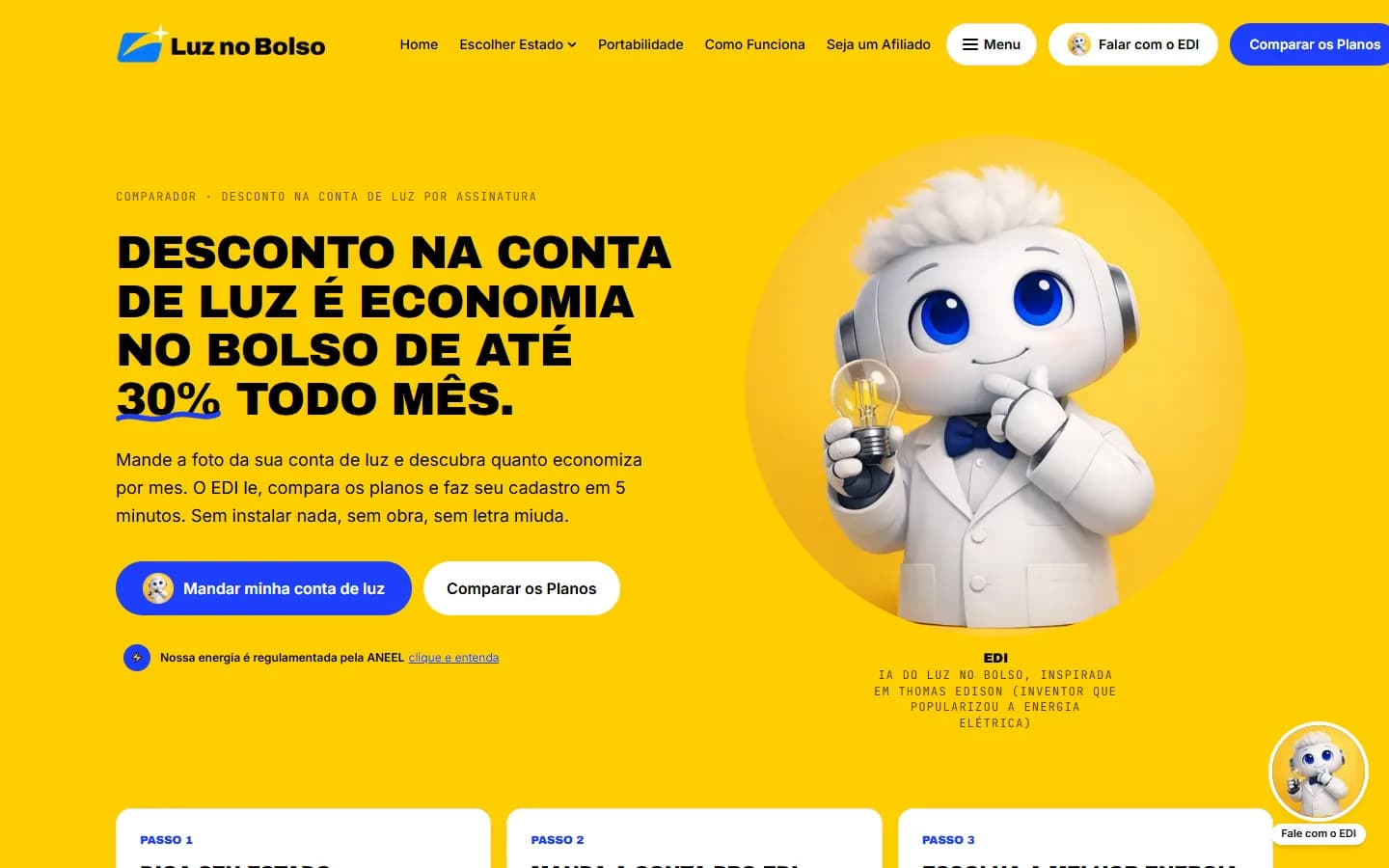
Energy · Community solar comparison
Luz no Bolso
A community solar comparison platform with 75 companies in 26 Brazilian states and EDI, an AI that reads a photo of the electricity bill, compares local providers and completes sign-up in the chat.
Read the case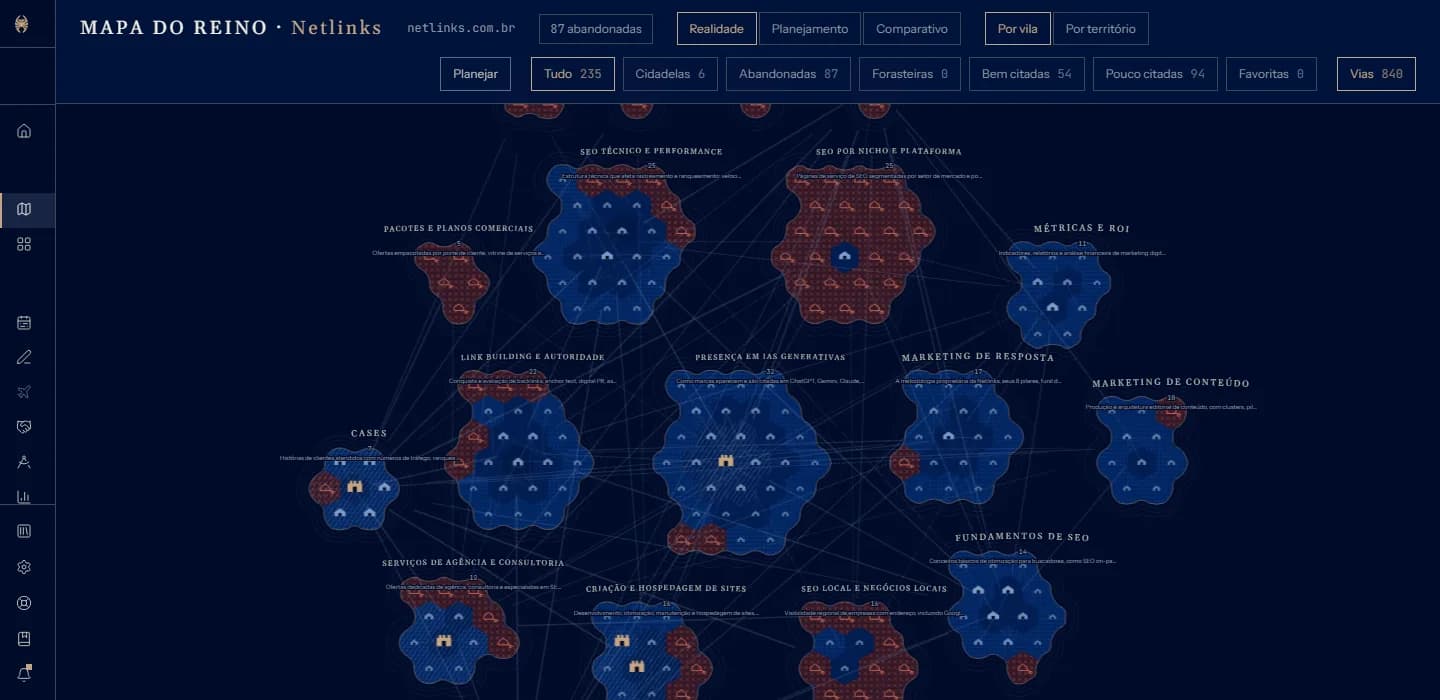
SaaS · SEO and GEO
Crownler
An SEO and GEO SaaS in four languages: it reads the whole site and draws it as a map, tracks Google and AI answers, produces content and talks to AI agents via API and MCP.
Read the case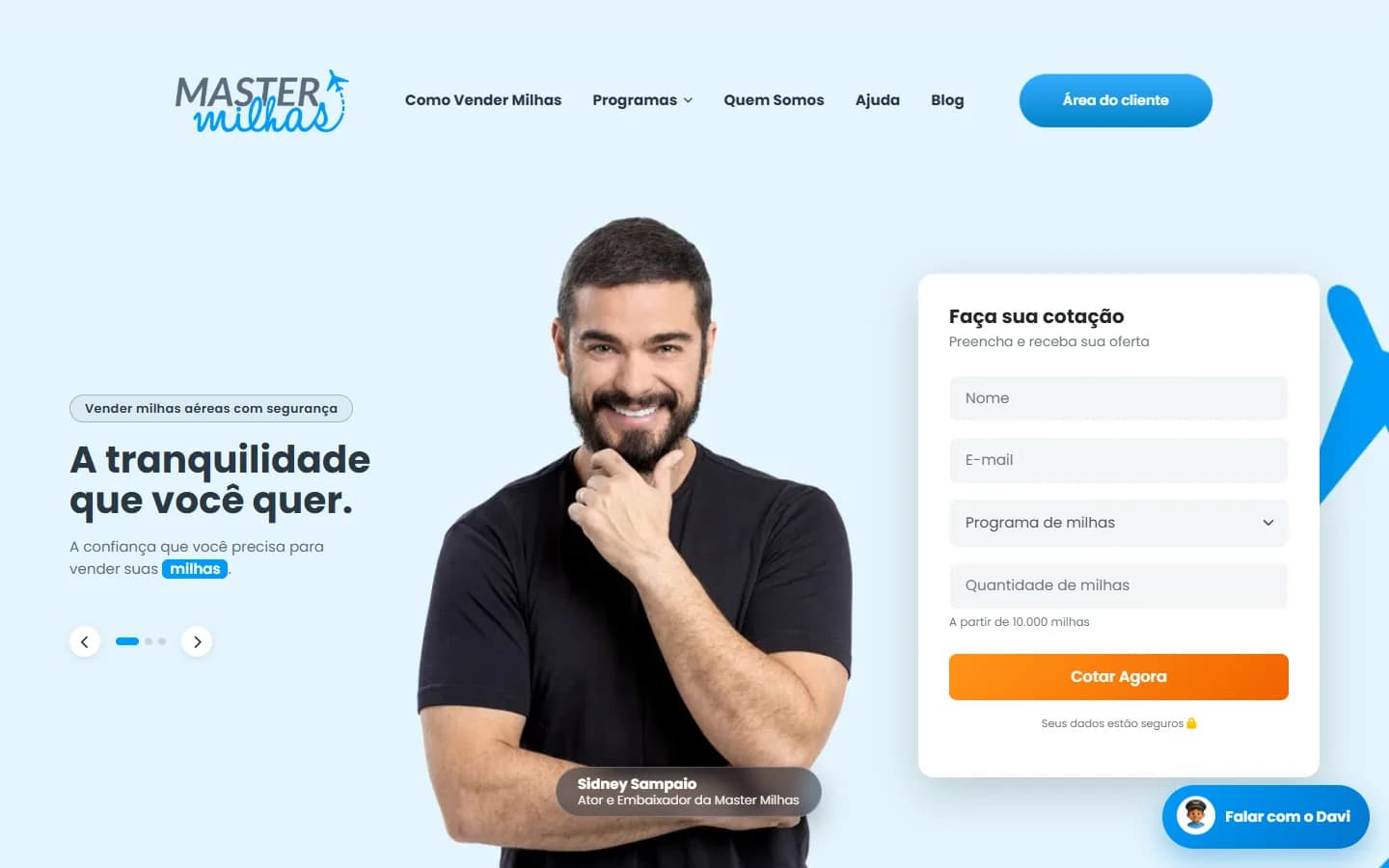
Travel · Airline miles buying
Master Milhas
A website with instant quotes, a custom CRM with a deal pipeline, a client area and Davi, an AI chatbot that checks the day's price and creates the quote in the CRM.
Read the caseFrequently asked questions
How long does it take to build custom software?
A first module focused on one process usually goes live in a few weeks. Larger platforms are built in phases, each going to production, so you do not wait months to see results.
Does my company own the code?
Yes. The software belongs to the company that paid for it. Repository, database and cloud accounts can be in the client's name, and the stack is market-standard (Next.js, TypeScript, PostgreSQL, Google Cloud) so any team can maintain it.
What is the difference between a software house and a software factory?
A software factory usually executes a ready-made specification. A software house, in OnWeb's model, helps define the problem, designs the product, builds it, runs it and evolves it with the client.
Do you build software with artificial intelligence?
Every OnWeb project has AI where it adds value: reading documents and images, recommendations, customer service, content generation and task automation. See AI agents and AI for business.
Can the new software integrate with the ERP I already use?
In most cases, yes, through an API, the database or file exchange. We map integrations during discovery. See systems integration.
Do you work with companies outside Brazil?
Yes. OnWeb works in English, Portuguese and Spanish, and systems are built multilingual from day one when the business needs it.
Related services
Shall we turn your business on?
Tell us what you need. We reply with a diagnosis of the technical path, timeline and investment, with no strings attached.